

It is easy to forget just how long GWM has been part of the South African bakkie conversation. Eighteen years in, the brand has gone from the tough-as-nails Steed to a full-blown bakkie family. The original Steed laid the foundation, the P-Series broadened the appeal, and more recently the P500 arrived as a lifestyle-first, adventure-focused offering. Sitting below that is the new P300, now tasked with taking over from the outgoing P-Series as the brand’s everyday workhorse.
The question is simple. Can the P300 fill those boots while keeping one foot firmly in the leisure camp? After spending serious time with the diesel version, the answer is largely yes.
Styling
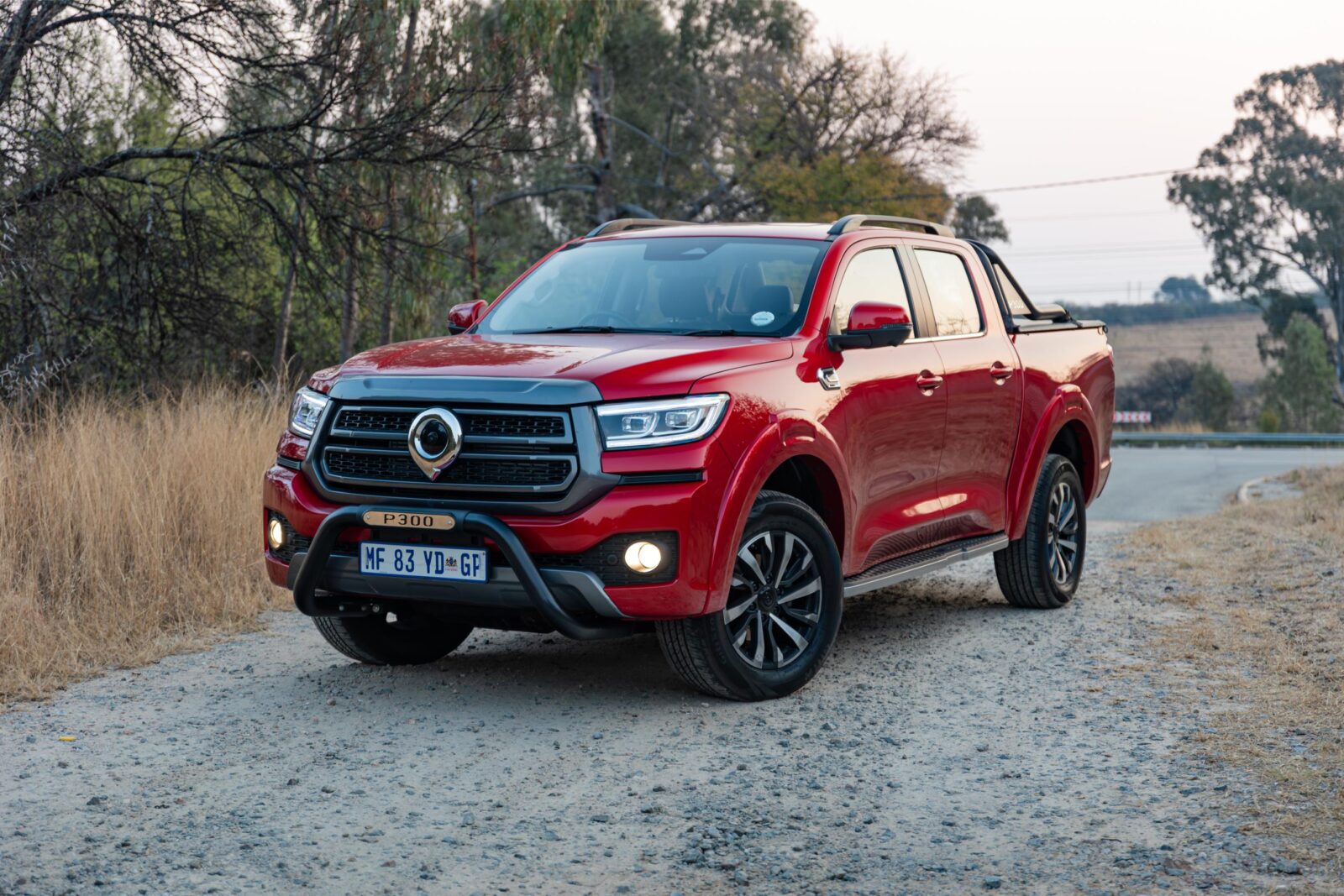
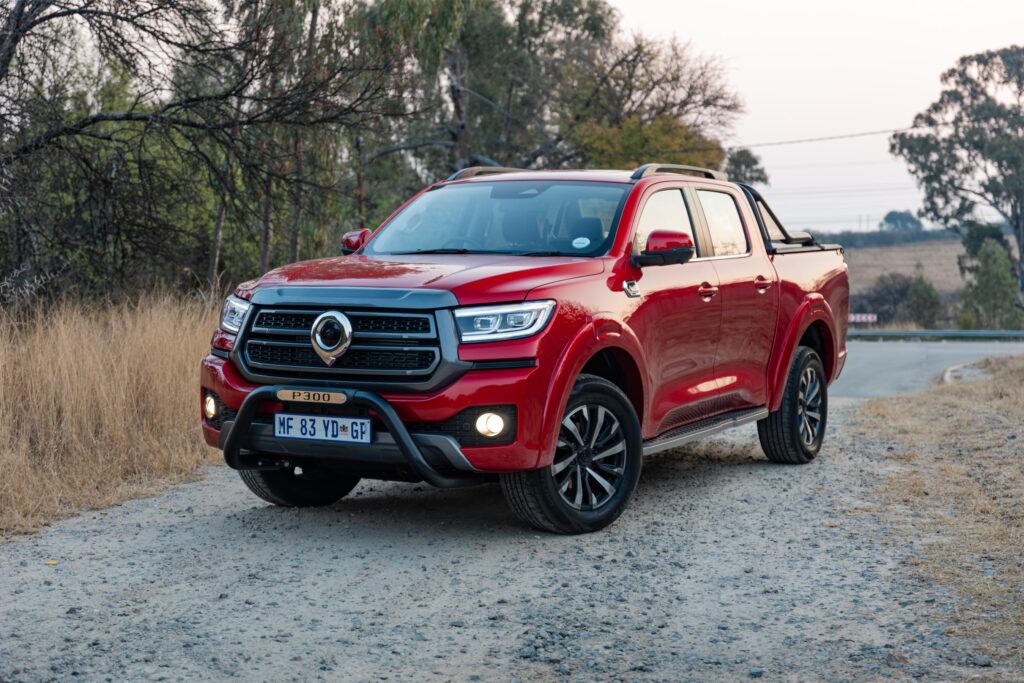
The updates to the P300 are subtle but effective. The most noticeable change is up front, where the redesigned grille now features dark grey accents in place of the old chrome. It instantly modernises the look and gives the P300 a sportier, more purposeful stance.
Compared to the more rugged and premium-leaning P500, the P300 looks restrained, but that is exactly the point. This is a bakkie meant to work during the week and still look presentable on the weekend, without shouting about either role.
Interior: A Big Step Forward
Step inside and the changes are far more obvious. The cabin has been thoroughly reworked, and it now feels far closer to what buyers expect in a modern double cab. A redesigned dashboard sets the tone, joined by a multifunction steering wheel, a 7-inch digital instrument cluster and a large 12.3-inch infotainment screen.
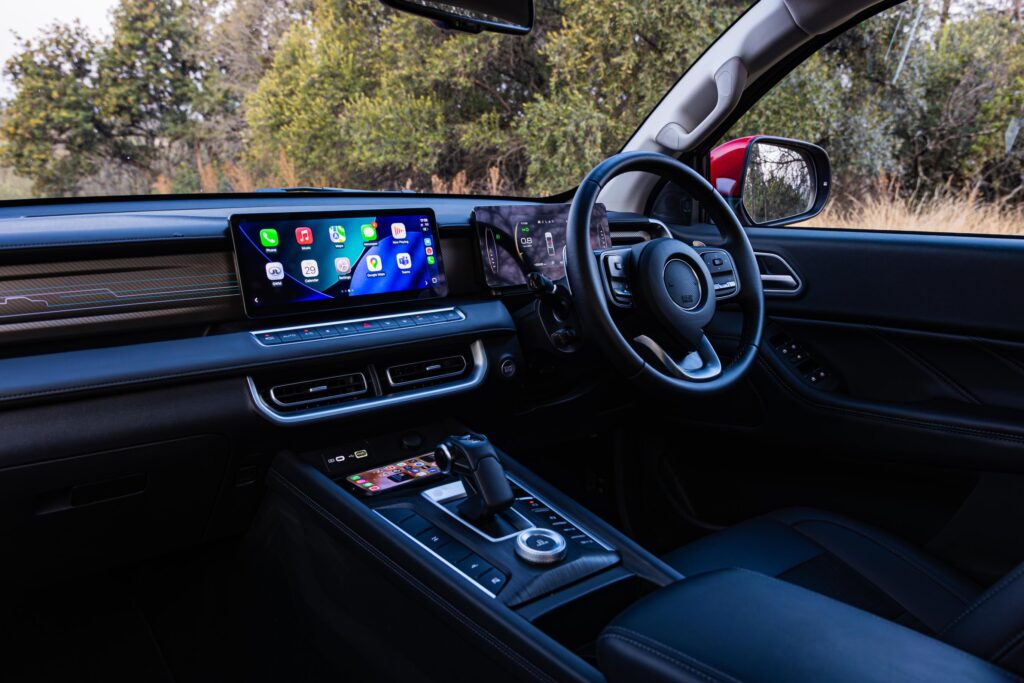
The infotainment system is intuitive and easy to navigate, with wireless Apple CarPlay and Android Auto as standard. That alone puts it ahead of some rivals that still make you plug in like it is 2015. Heated leather seats and a sunroof add a layer of comfort that reminds you this is not just a bare-bones workhorse.
Compared to the older P-Series, the leap in perceived quality and technology is significant. It may not feel as plush as the P500, but it does not try to be. Instead, it strikes a sensible middle ground.
On the Road
Under the bonnet sits GWM’s newer 2.4-litre turbodiesel engine, producing 135 kW and 480 Nm, paired with a 9-speed automatic transmission. On paper, the numbers are strong. On the road, they translate into a noticeable improvement over the outgoing P-Series.
During our stint, he new engine proved to be smooth, responsive and well suited for both short long-distance driving. Overtaking is far less stressful, and the gearbox does a commendable job of keeping the engine in its sweet spot thanks to well-spaced ratios.
The extra torque makes a real difference when carrying load or tackling mixed terrain, and overall refinement is improved. GWM has also worked on throttle calibration, which is better than before, though it can still feel slightly jerky in stop-start traffic. Not a deal breaker, but noticeable.
Fuel consumption is respectable for a bakkie of this size and capability. GWM claims 8.2 L/100 km, and our real-world driving returned 8.7 L/100 km, which feels realistic and competitive.
Verdict
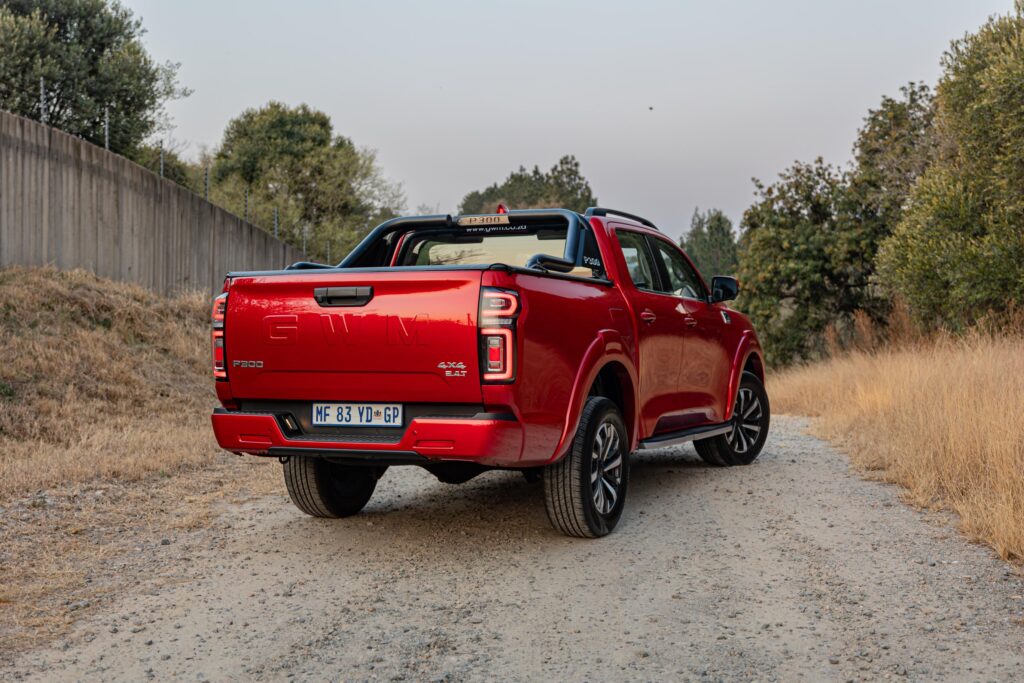
The updated GWM P300 is not trying to steal the spotlight from the P500, nor is it aiming to be a hardcore fleet-only tool. Instead, it lands squarely where most buyers live. Capable enough to work, comfortable enough to commute, and modern enough to feel current.
At a starting price of R599,900, it offers a strong value proposition, especially when you consider the level of standard equipment and the step up in performance. If the P-Series was the dependable all-rounder, the P300 feels like its more polished successor. And in a market where balance matters, that is exactly what GWM needed.
