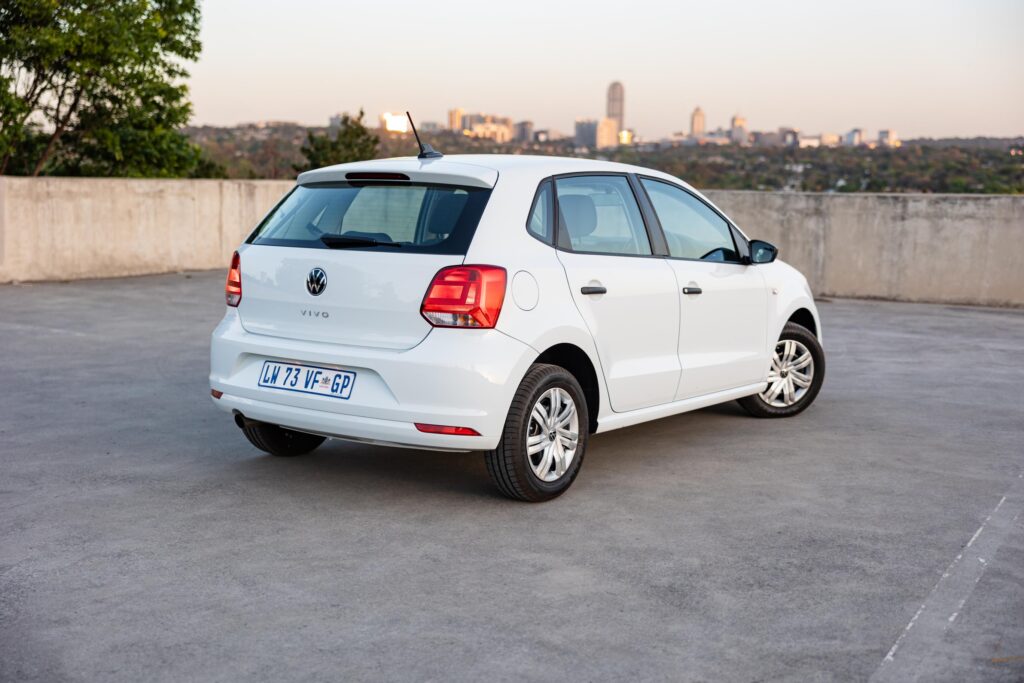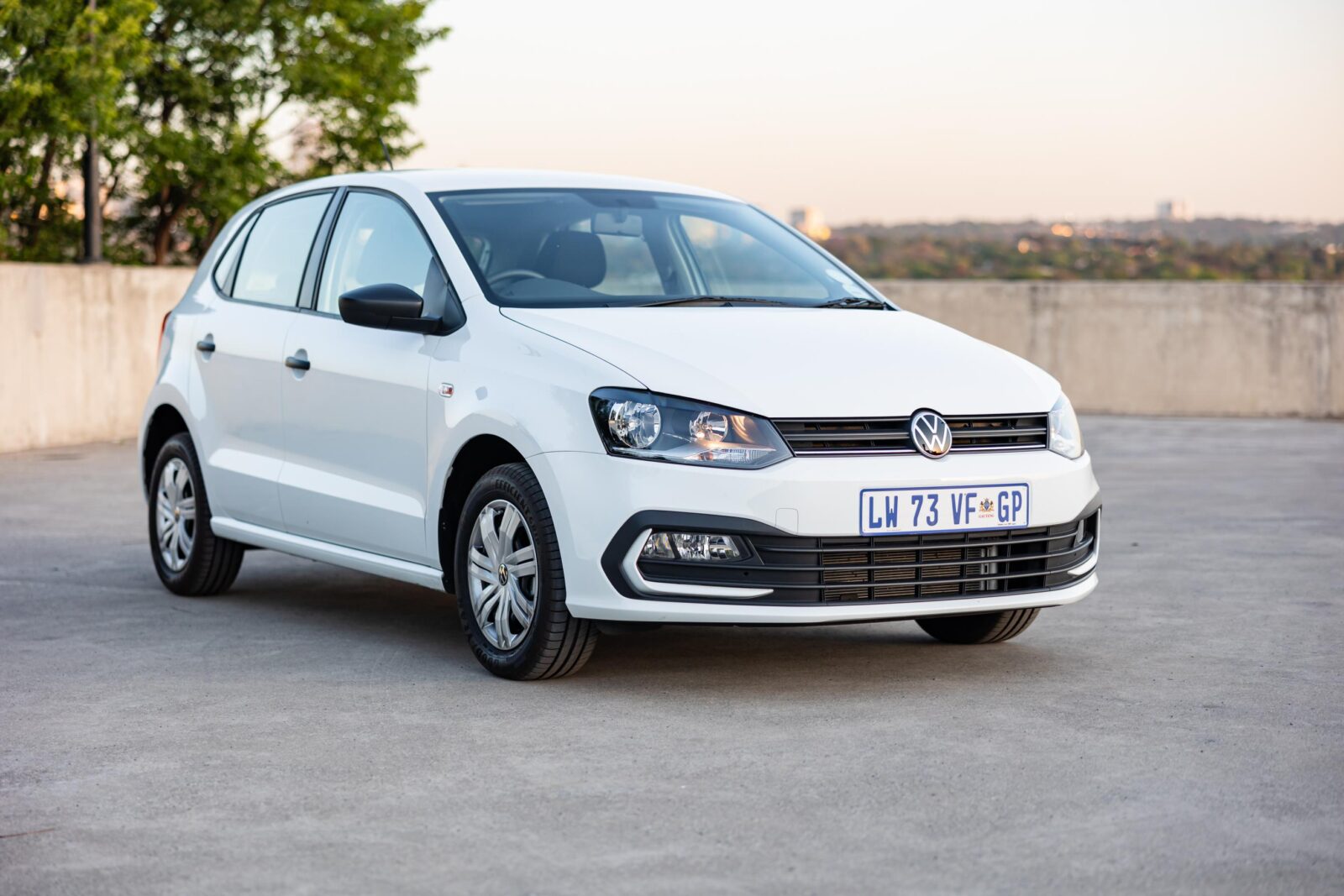

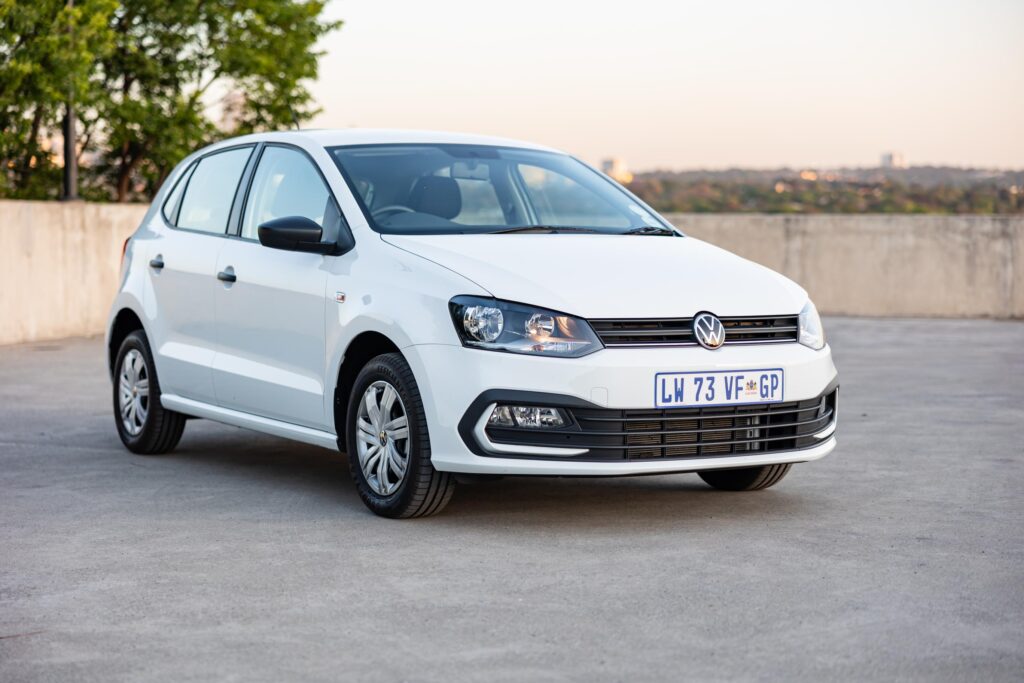
The VW Polo Vivo has become a symbol of practicality and style for South Africans, holding the crown as the country’s best-selling passenger car for years. Known for its affordability, durability, and proudly local production, the Vivo bridges the gap between budget-friendly and premium. With the updated version now on the road, it brings refreshed styling and features—but does it still live up to its legendary status? Here’s a look at 5 things we like and dislike about the updated VW Polo Vivo.
What we like
- Affordable entry into the VW family
- The Polo Vivo continues to offer a taste of the premium VW badge without the premium price. With competitive pricing and various trim levels, it remains an accessible choice for first-time car buyers or families on a budget.
- Fuel efficiency
- With petrol prices always a hot topic in South Africa, the Polo Vivo’s frugal fuel consumption is a major win. We love how it sips fuel sparingly, especially during the daily grind between home, work, and weekend adventures.
- Local manufacturing
- South Africans can take pride in the fact that the Polo Vivo is built at the Kariega plant in the Eastern Cape. It’s a car with a homegrown touch, supporting the local economy and jobs.
- Refreshed styling
- The updated design, which borrows cues from its Polo sibling, gives the Vivo a sleek, modern edge. LED headlights and updated bumpers ensure it turns heads, whether you’re cruising Sandton or the streets of Soweto.
- Resale value
- The Vivo’s legendary resale value is a huge draw. South Africans love that their investment holds up well, making it a sound financial decision when it’s time to upgrade.
What we dislike
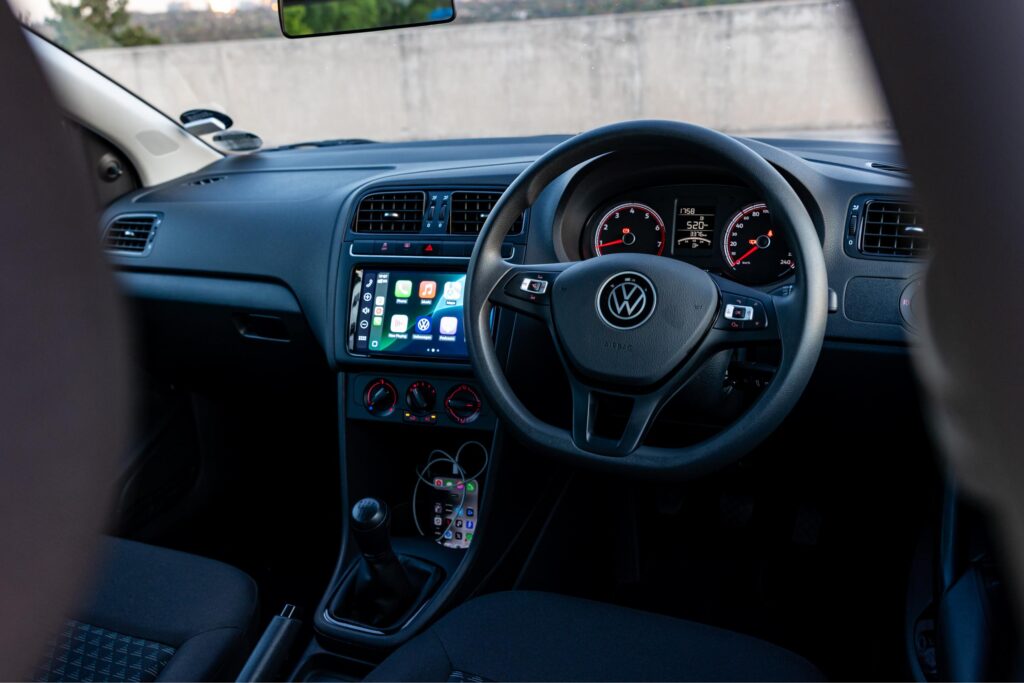
- Lack of advanced tech features
- In an era where even budget cars are kitted with cutting-edge tech, the Vivo feels slightly dated. Features like adaptive cruise control or wireless charging are missing, leaving tech-savvy buyers wanting more.
- Hard plastics in the cabin
- While the build is solid, the extensive use of hard plastics in the interior has been a longstanding gripe. It feels durable but doesn’t scream “premium,” which can disappoint buyers seeking a touch of sophistication.
- Price creep
- Though it’s still affordable, some South Africans feel the price has edged too close to that of the Polo. With more budget-friendly competitors entering the market, the Vivo’s value proposition is being questioned.
- Underwhelming engine performance
- While it’s reliable and efficient, the Vivo’s engine lineup can feel uninspired. Drivers who crave a bit of oomph might find the performance lacking, especially when tackling the occasional steep hill or overtaking on highways.
- Standard features in base models
- The entry-level model is too stripped-down, with basics like alloy wheels or a touchscreen infotainment system missing. This makes buyers feel pushed toward the pricier variants.